Signs of ADHD in Women That Are Commonly Misdiagnosed as Anxiety

As a therapist working with women in Vancouver and BC, I regularly meet clients who come to therapy believing anxiety is their primary concern. They describe constant tension, racing thoughts, difficulty relaxing, and feeling overwhelmed by daily demands. While anxiety can certainly be present, in many cases it is not the root issue.
For a significant number of women, these symptoms are better understood as signs of ADHD that were never identified earlier in life. Because ADHD in women often presents differently than expected, it is frequently misdiagnosed as anxiety, or treated as anxiety alone.
Why ADHD in women is often mistaken for anxiety
ADHD has historically been associated with hyperactivity and impulsivity, traits more commonly identified in boys. Many women with ADHD do not present this way. Instead, they experience internal restlessness, difficulty regulating attention, and challenges with executive functioning.
In adulthood, these difficulties often create chronic stress. Over time, that stress can look very similar to anxiety. Without an accurate understanding of ADHD, clinicians and clients alike may focus on anxiety symptoms without addressing the underlying cause.
Chronic mental overload
Many women with ADHD describe feeling mentally busy all the time. Their thoughts jump rapidly between tasks, responsibilities, and worries. This constant cognitive activity is often labelled as anxious thinking.
In practice, this mental overload is frequently related to difficulty filtering information and prioritizing tasks. The brain struggles to decide what to focus on, which creates a sense of urgency and pressure. When this pattern persists, it is easy to mistake it for generalised anxiety.
Difficulty relaxing or “switching off”
Women with ADHD often report that rest feels uncomfortable or unproductive. Even during downtime, their mind continues to scan for unfinished tasks or forgotten responsibilities.
This is sometimes interpreted as anxiety-driven hypervigilance. However, it is often related to executive functioning challenges and working memory. When the brain has difficulty tracking tasks internally, it compensates by staying alert, which creates ongoing tension.
Overwhelm with daily tasks
Clients frequently describe feeling overwhelmed by tasks that appear manageable to others. This can include responding to emails, managing schedules, completing paperwork, or keeping up with household responsibilities.
Because these tasks trigger stress and avoidance, the response is often labelled as anxiety. In reality, the difficulty often lies in task initiation, organisation, and sequencing, which are core features of ADHD.
Emotional reactivity and sensitivity
Emotional intensity is another area where ADHD in women is commonly misunderstood. Many women experience strong emotional reactions to stress, criticism, or perceived failure. They may describe mood swings, irritability, or feeling easily overwhelmed.
These reactions are often interpreted as anxiety or emotional instability. Clinically, they are frequently linked to difficulties with emotional regulation associated with ADHD. The emotional response is fast and intense, not because of excessive worry, but because the nervous system has less capacity to modulate reactions in the moment.
Perfectionism and overpreparation
Many women with undiagnosed ADHD develop perfectionism as a coping strategy. They overprepare, double-check work, and set very high standards for themselves in order to compensate for attention and organizational difficulties.
From the outside, this looks like anxiety-driven perfectionism. In practice, it often reflects years of compensating for ADHD-related challenges. While effective in some contexts, this strategy significantly increases stress and contributes to burnout.
Persistent self-criticism
Women who have lived with undiagnosed ADHD often carry a long history of self-blame. They may believe they are lazy, disorganised, or not trying hard enough. This internal narrative is frequently reinforced by repeated struggles despite strong effort.
Self-criticism is commonly associated with anxiety disorders. In therapy, it often becomes clear that it developed as a response to repeated misunderstandings of ADHD-related difficulties rather than as a primary anxiety issue.
Why anxiety treatment alone may not be enough
When ADHD is misdiagnosed as anxiety, treatment often focuses on reducing worry or calming the nervous system. While this can provide some relief, many women report that something still feels unresolved.
Without addressing attention regulation, executive functioning, and the emotional impact of long-term compensation, anxiety symptoms often return. This can lead to frustration and a belief that therapy is not working.
In my experience, identifying ADHD allows for a more accurate and effective treatment approach.
The importance of accurate assessment
Recognizing ADHD in women requires careful assessment that looks beyond surface symptoms. It involves exploring developmental history, patterns of functioning over time, and how stress and coping strategies have evolved.
Anxiety and ADHD frequently coexist, but distinguishing between them matters. When ADHD is addressed directly, anxiety often becomes more manageable because the underlying sources of stress are reduced.
How therapy can help
Therapy can support women in understanding how ADHD has shaped their emotional and cognitive patterns. This includes working with self-criticism, burnout, and unrealistic expectations, as well as developing practical strategies that align with how their brain functions.
From a clinical perspective, therapy is not about removing responsibility or lowering standards. It is about creating systems and self-understanding that reduce unnecessary strain.
Accurate understanding allows women to move away from self-blame and toward more effective support. Recognizing ADHD does not negate the presence of anxiety, but it often explains why anxiety developed in the first place. That distinction can make a meaningful difference in treatment and long-term well-being.
Frequently Asked Questions (FAQs) about ADHD in women and anxiety
How is ADHD in women different from anxiety?
ADHD and anxiety can look very similar on the surface. Both can involve racing thoughts, tension, overwhelm, and difficulty relaxing. The difference often lies in what drives those symptoms. In ADHD, stress usually comes from difficulties with attention regulation, organization, and executive functioning. In anxiety, fear, worry, and threat perception tend to be the primary drivers.
Can you have both ADHD and anxiety?
Yes. ADHD and anxiety frequently co-occur. Living with undiagnosed ADHD often creates chronic stress, which can lead to anxiety over time. In these cases, anxiety is not separate from ADHD but develops as a response to years of mental overload, self-criticism, and compensating strategies.
Why is ADHD in women often missed or diagnosed late?
ADHD has traditionally been associated with visible hyperactivity, which is more often identified in boys. Many women experience ADHD through internal symptoms such as mental restlessness, emotional intensity, and chronic overwhelm, leading their difficulties to be mis-labelled as anxiety, perfectionism, or burnout rather than ADHD.
What are common signs of ADHD in women that look like anxiety?
Common signs include constant mental busyness, difficulty switching off, overwhelm with everyday tasks, emotional reactivity, perfectionism, and ongoing self-criticism. These patterns are often labelled as anxiety but frequently reflect difficulties with attention regulation, working memory, and emotional modulation.
Can therapy help even without a formal ADHD diagnosis?
Yes. Therapy can still be helpful in addressing patterns such as burnout, perfectionism, emotional overwhelm, and self-criticism. However, when ADHD is accurately identified, therapy can become more targeted and effective because it addresses the root contributors rather than only the symptoms.
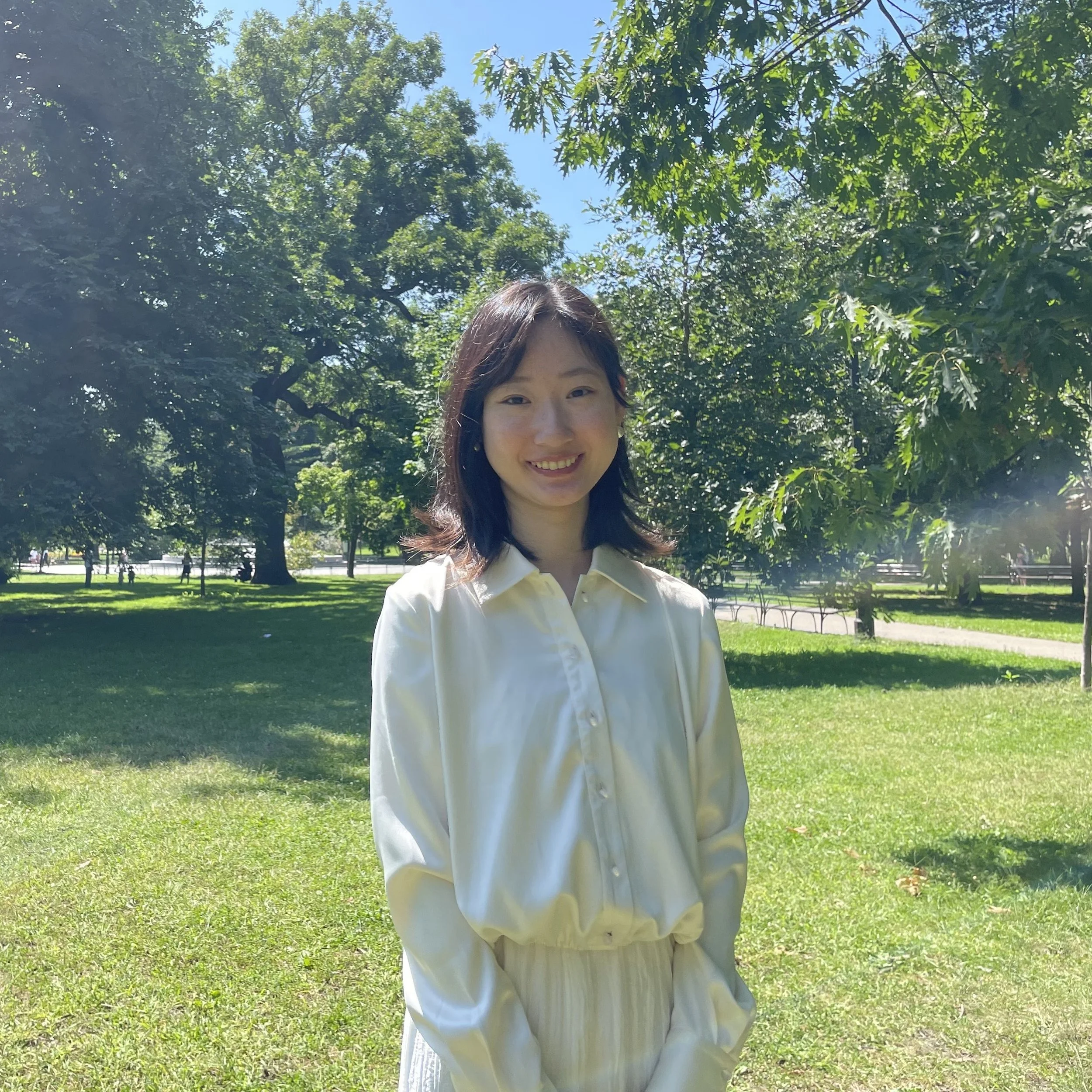
Chiharu Yanagawa, RCC and author’s note
I am Chiharu Yanagawa, a counsellor based in Vancouver, providing therapy to adult clients across all age groups. My work often explores how culture, family expectations, and intergenerational experiences shape anxiety, identity, and life decisions.
This article was written for women who have spent years trying to calm their anxiety without lasting relief. In my work, I often hear clients say, “I know I’m capable, so why does everything feel so hard?” That question is what prompted this piece.
Rather than focusing on symptoms in isolation, this article looks at how the nervous system adapts when attention, organization, and emotional regulation require constant effort. For many women, what appears to be anxiety is actually the byproduct of living in a state of ongoing mental demand. Naming this pattern can be both unsettling and validating.
My hope is that this writing offers a pause from self-diagnosis and self-criticism. If it brings even a small sense of recognition or relief, then it has served its purpose.