Living with undiagnosed ADHD as a woman
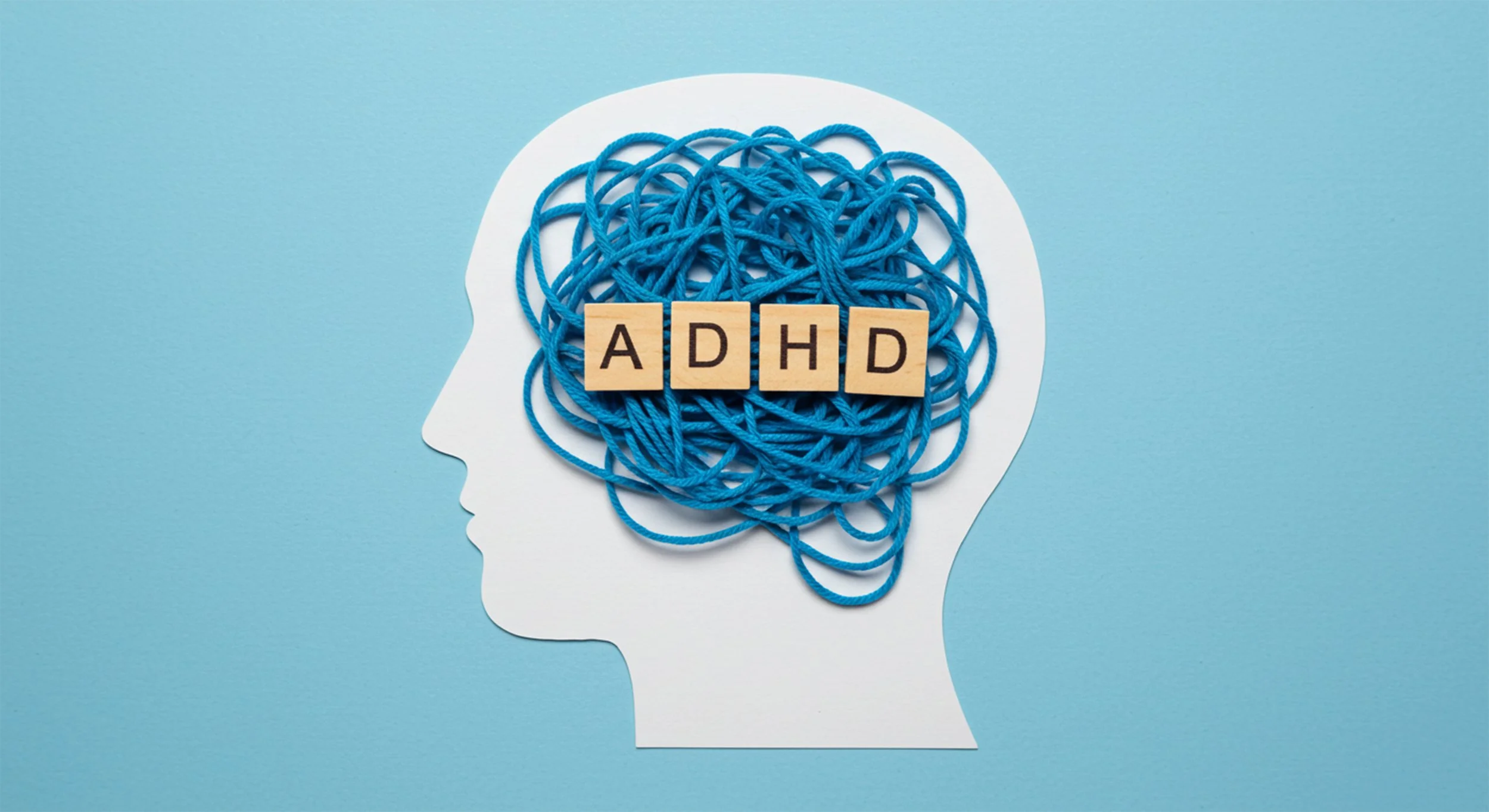
I often meet women in Vancouver and BC in my practice who come to therapy for anxiety, burnout, or chronic self-doubt. Over time, it becomes clear that many of these women are not struggling because they lack motivation or resilience but rather because they have been living with undiagnosed ADHD for years or even decades.
Undiagnosed ADHD in women often looks different from what many people expect or the stereotypes we are familiar with. Many women reach adulthood without an explanation for their difficulties, despite putting in significant effort to function well in their personal and professional lives.
Why ADHD is often missed in women
ADHD research and diagnostic criteria have historically focused on hyperactive and disruptive behaviours, which are more commonly observed in boys. Many girls with ADHD present differently and might be inattentive, internally restless, disorganised, or emotionally sensitive rather than overtly hyperactive.
In clinical practice, I see many women who learned early to compensate. They relied on structure, perfectionism, or overpreparation to manage attention difficulties. Because they performed well academically or were seen as responsible, their struggles were overlooked. Teachers and caregivers often interpreted their challenges as personality traits rather than signs of ADHD.
Consequently, ADHD is frequently misidentified as anxiety, depression, or stress, or not identified at all.
How undiagnosed ADHD commonly presents in adulthood
Women with undiagnosed ADHD describe a consistent pattern of working harder than others to achieve similar results. Common difficulties include time management, organization, task initiation, and sustained focus. These challenges are often inconsistent, which adds to confusion and self-blame.
Many women report cycles of intense focus followed by exhaustion. They may procrastinate until urgency forces action, then push themselves to complete tasks under pressure. This pattern can be effective in the short term but is difficult to sustain.
The symptoms in adulthood often manifest as:
Inconsistent Performance: You can hyper-focus and move mountains one day, but feel unable to start a simple email the next.
The Sprint-and-Crash Cycle: You procrastinate until the adrenaline of a deadline kicks in, allowing you to power through. You get the job done, but the crash afterward is debilitating.
Mental Clutter: Even when your desk is organized, your mind feels like a browser with 50 tabs open.
In therapy, women often describe feeling internally scattered while appearing externally competent.
The emotional and psychological impact of ADHD in adulthood
It is rare that a woman comes in asking about ADHD first. Usually, she seeks help for anxiety or depression. Then, when we dig deeper, we find that the anxiety is actually a secondary symptom, a coping mechanism developed to manage a brain that struggles with executive function. If you are terrified of forgetting things, you become anxious. If you are exhausted from masking your symptoms all day, you become depressed or burned out.
This is particularly common during life transitions. University, a promotion, or becoming a parent increases the demand on your executive functions. Suddenly, the coping strategies that worked in your 20s stop working, and the house of cards collapses.
Perfectionism as a Mask
One of the most common red flags for undiagnosed ADHD in women is rigid perfectionism.
In therapy, we often discover that perfectionism isn't a personality trait; it’s armor. It is a way to overcompensate for a brain that naturally drifts. By holding themselves to impossibly high standards and over-preparing for every scenario, these women protect themselves from the shame of dropping the ball.
While this leads to external praise, it wreaks havoc on the nervous system. It is a recipe for adrenal fatigue and emotional shutdown.
Late recognition and mixed reactions
When women begin to consider ADHD later in life, the response is often mixed. There is relief in understanding long-standing patterns, alongside grief for missed support and years of self-blame.
From a clinical perspective, this reframing can be an important turning point. It allows women to reinterpret past experiences with more accuracy and less judgment, which can reduce shame and emotional distress.
Impact on relationships and identity
Undiagnosed ADHD can affect relationships in subtle ways. Difficulties with follow-through, forgetfulness, or emotional regulation may lead to misunderstandings or conflict. Many women internalize these challenges and assume they are failing others.
Identity can also be shaped by years of effort-based functioning. In therapy, women often struggle to articulate what they want or need, because so much energy has gone into managing expectations and responsibilities.
How therapy can support women with undiagnosed ADHD
Therapy can be helpful regardless of whether a formal diagnosis is pursued. In my practice, therapy often focuses on increasing self-understanding, addressing internalized criticism, and developing realistic strategies that align with how the brain functions.
This includes working with executive functioning challenges, exploring sustainable routines, and addressing the emotional impact of long-term overcompensation. Therapy is not about increasing discipline. It is about reducing unnecessary strain and supporting functional change.
For many women, therapy becomes a space to rebuild self-trust and adjust expectations in a way that supports long-term well-being.
Neuro-affirming therapy in Vancouver for women
Whether or not you pursue a formal medical diagnosis, therapy can be a game-changer for anyone. The goal isn't to "fix" you or turn you into a neurotypical person.
My approach focuses on:
Unlearning Shame: Dismantling the internal voice that says you are lazy or incompetent.
Working With Your Brain: Moving away from rigid discipline and finding routines that actually work for your dopamine-seeking brain.
Sustainable Living: Learning to set boundaries that prevent the sprint-and-crash cycle.
With greater awareness, appropriate support, and accurate information, women can move forward with less self-blame and more practical understanding. This shift often leads to improved emotional regulation, reduced burnout, and a more sustainable relationship with work, relationships, and self-care.
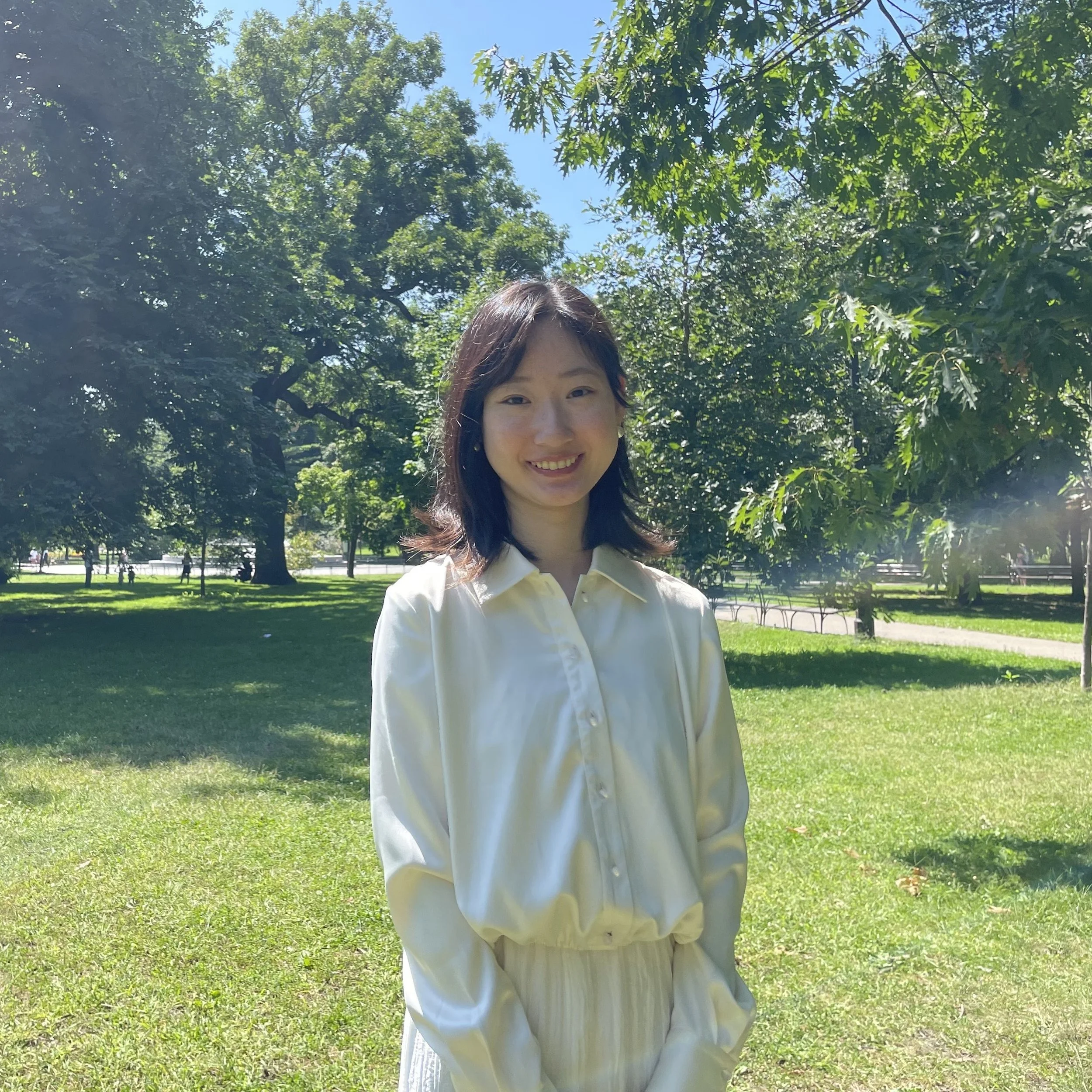
Author’s note and about Chiharu Yanagawa, RCC
I am Chiharu Yanagawa, a counsellor based in Vancouver, providing therapy to adult clients across all age groups. My work often explores how culture, family expectations, and intergenerational experiences shape anxiety, identity, and life decisions.
I wrote this piece after years of working with some women who came to therapy for anxiety, burnout, or chronic self-doubt, only to later realize that undiagnosed ADHD was shaping much of their experience. These were capable, hardworking women who had spent years compensating, blaming themselves, and pushing through exhaustion without an explanation that truly fit.
Undiagnosed ADHD in women is often quiet and hidden behind competence and perfectionism, which is why it is so frequently missed. My intention is not to diagnose or label, but to offer language that helps long-standing patterns make sense and reduces unnecessary self-blame.
If this resonates, I hope it invites curiosity rather than judgment. Understanding how your brain works is not about fixing yourself. It is about finding support that allows you to live with less strain and more self-trust.