
In many Asian families, mental health remains a private matter, and parents discourage their adult children from seeking counselling. These differences in attitudes create conflict and make it harder for adult children to access professional support without feeling guilty or worrying about their parents' reactions.
In Ontario, among adults who rated their own mental health as fair or poor, Chinese respondents were less than half as likely as White respondents to have seen a mental health professional in the past year (Chiu et al., 2018). The same study found that Chinese respondents rated their mental health lower than White respondents did, so the gap does not mean they needed help less.
Part of the explanation sits at home. In many Japanese, Chinese and other Asian families, emotional struggles are kept inside the family, or not spoken about at all, and therapy can look like something only people in crisis need. If you are an adult who wants support and your parents do not believe in it, that difference can feel like one more thing you are getting wrong.
Why therapy can be a hard idea at home
Many families were shaped by migration, financial hardship or a parent's own difficult upbringing. In those circumstances, getting through it was the expectation, and talking about feelings could seem like a luxury.
Several values tend to meet here. There is the wish to "save face", which can make struggles something to minimize or hide. There is the idea of not causing inconvenience to others, which makes asking for help feel like a burden placed on someone else. And there is a common belief that problems should stay private, so telling a stranger can feel disloyal.
Distress also shows up differently. Among the Mandarin-speaking clients I work with, it is often described as headaches, tiredness or poor sleep rather than as anxiety or sadness. A parent who hears "I am tired all the time" may suggest rest or a doctor, and never think of counselling.
What your parents may be worried about
A parent who says "you don't need that" is often worried about something specific. They may fear that people in a close-knit community will find out. They may hear "therapy" as a sign that the family failed you. Or they may simply not know what happens in a session, and assume it means a diagnosis or medication.
Reading their resistance as care does not mean agreeing with it. It does make the conversation easier, because you are answering a worry rather than arguing with a rejection.
Confidentiality is part of the appeal
The privacy that worries parents is often what makes counselling workable for their children. A study of 295 Asian international students found that those more concerned about losing face, and about stigma, reported stronger intentions to seek counselling (Yakunina & Weigold, 2011). The researchers suggested that the confidentiality of counselling may be the attraction: it is a place to talk without the problem becoming known to family and friends.
What you say in counselling stays between you and your counsellor, with a small number of legal exceptions, such as a serious risk of harm. Your counsellor will explain those limits in the first session.
You may not need their permission
As an adult, you can book counselling yourself, and you do not have to tell your parents. Some people start without telling anyone and decide later whether, and how, to raise it at home.
One practical detail: if you are covered under a parent's extended health benefits, the plan member may be able to see claims. If that matters to you, check how your plan handles statements before you submit receipts.
If you do want to talk to them about it
There is no single right way to raise it, but some framings tend to land better than others. Describing what you are working on can be easier than using the word "therapy": wanting to manage stress, sleep better or handle pressure at work is easier to hear than "I am struggling". Presenting counselling as learning skills, the way you might learn anything else, fits the value many families place on effort and self-improvement.
It also helps to answer the worry about face directly, by letting them know it is private and that family matters will be treated with respect. And one conversation rarely changes a parent's mind. Leaving room for a second one is often more useful than winning the first.
Counselling can also help with the conversation itself. Part of the work can be practising how to share your feelings in a way that honours both honesty and respect.
What this looks like in Vancouver
About one in four people in the City of Vancouver identify as Chinese, and more than 119,000 residents grew up speaking Cantonese or Mandarin as their first language (Statistics Canada, 2023). That size cuts both ways. Vancouver's Chinese, Japanese and other Asian communities are close enough that many families know each other through church, temple, school or work, which is part of why the worry about being seen at a counsellor's office runs high. Online sessions, or an office outside your own neighbourhood, can make the first step feel more private.
Counselling in your first language
For some people, the barrier is partly language. Explaining a family pressure in English can mean translating a whole set of unspoken rules about obligation, respect for elders and what is left unsaid, on top of the words themselves.
Clients who can speak in Mandarin or Japanese often tell me they feel relieved not to have to translate themselves. Trust tends to develop faster, and family obligations and cultural expectations can be talked about as part of who you are, not as something to explain first.
Wanting support, while still loving your parents, is not a contradiction.
Frequently asked questions about what to do when your Asian parents don’t believe in therapy
Do I need my parents' permission to see a therapist? Not as an adult. You can book counselling yourself, and whether you tell your family is your decision.
Why don't Asian parents believe in therapy? Not every parent feels this way, but in many families emotional struggles were kept private and getting through hardship was the expectation. Concerns about face, burdening others and confidentiality can all make therapy feel unfamiliar or risky.
Will my parents find out if I go to counselling? Counselling is confidential, with a small number of legal exceptions your counsellor will explain at the start. If you claim sessions on a parent's benefits plan, check whether the plan member can see claim statements.
How do I convince my parents that therapy is helpful? You may not need to convince them before you start. When you do talk about it, describing what you are working on, such as stress or sleep, is often easier to hear than the word "therapy".
Can I see a counsellor in Mandarin or Japanese in Vancouver? Yes. I offer counselling in English, Japanese and Mandarin, in person in Vancouver and Burnaby and online.
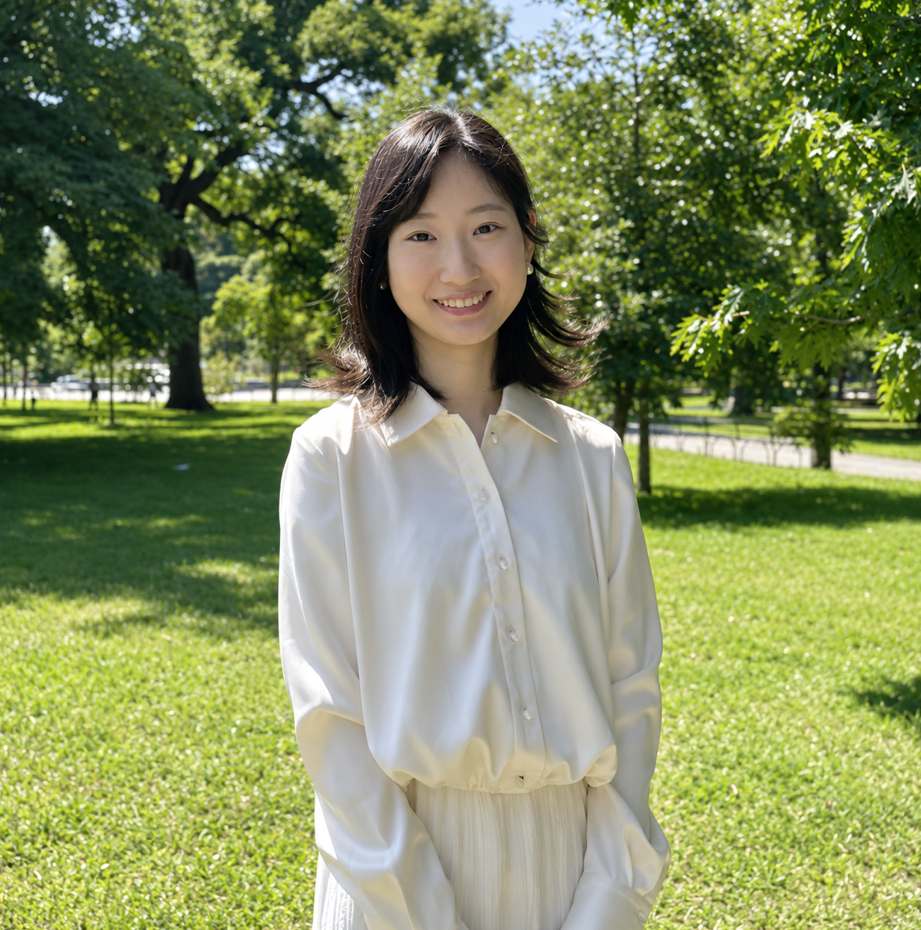
Chiharu Yanagawa, RCC and author’s note
I am Chiharu Yanagawa, a counsellor based in Vancouver, providing therapy to adult clients across all age groups. My work often explores how culture, family expectations, and intergenerational experiences shape anxiety, identity, and life decisions.
As a Vancouver-based therapist, I offer culturally sensitive care to individuals, couples, and families adjusting to life in Canada and intercultural differences. I work with people in-person in Vancouver and online anywhere across BC, Ontario, and many other provinces. If you’re interested in learning more, please feel free to book a free 20 minute introduction call with me.